
Beyond "School Refusal": Building a Bridge with the "School Can’t" Approach
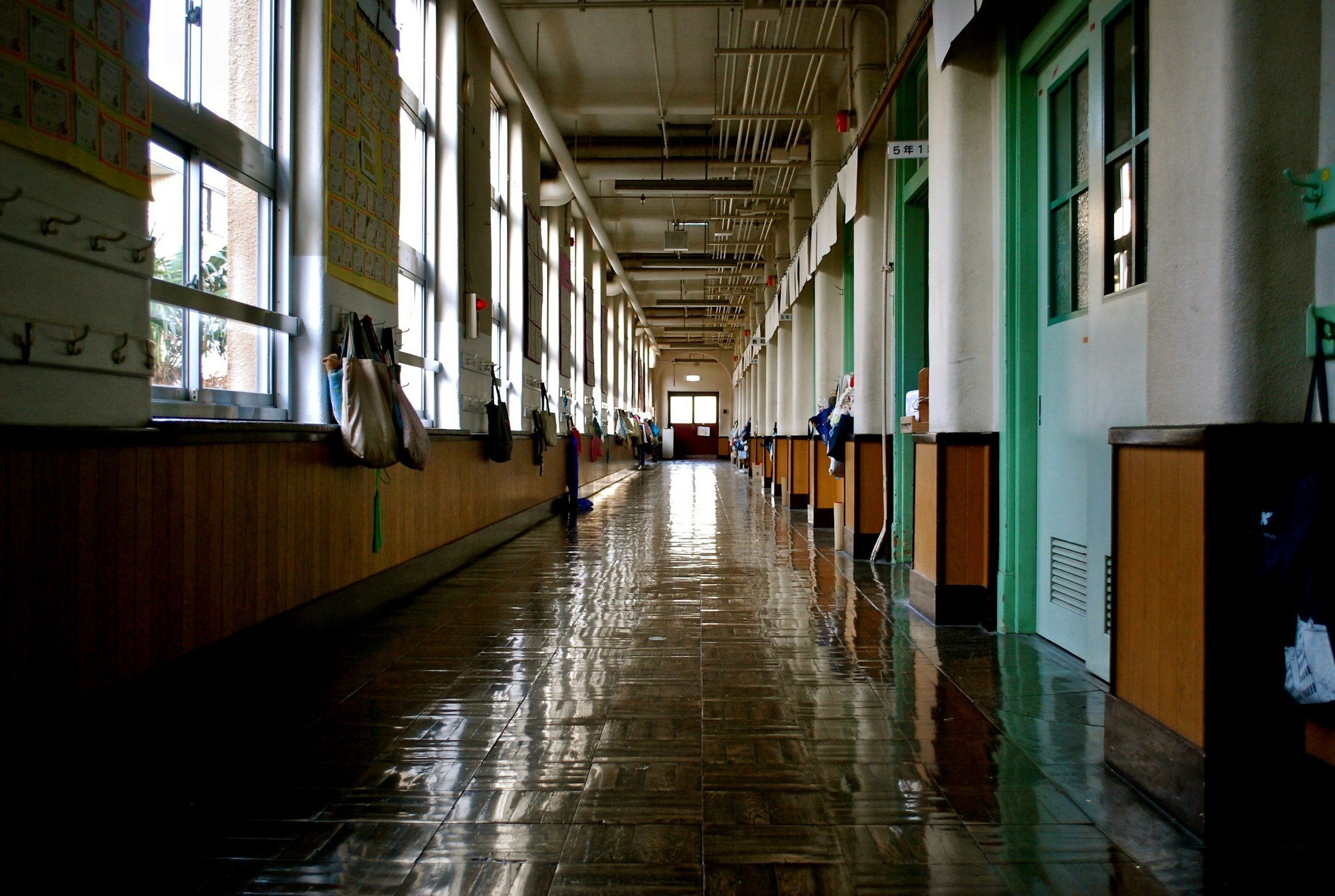
For many neurodivergent children, the front gates of a school can feel like a barrier they simply cannot cross. While we often hear the term "school refusal," a more accurate and compassionate term is School Can’t (access our video resource here).
When a child’s nervous system is overwhelmed, they aren't being "defiant." They are struggling to survive in an environment that doesn't yet fit them. Even if we cannot perceive a specific trigger, it doesn't mean the barrier isn't real or exhausting for the child.
Historically, parents were told to "make home boring" so the child would choose school. We know now that safety doesn't work that way. You cannot bore a child into feeling safe. Instead, we must look at the root causes and build a bridge back to learning through collaboration and trust.
Prioritising the Foundation
Often, when talking to parents, the conversation gravitates toward academic outcomes. While important, we sometimes overlook the child’s most basic needs. If those aren't met, the child simply doesn't have the resources to face a challenging school day.
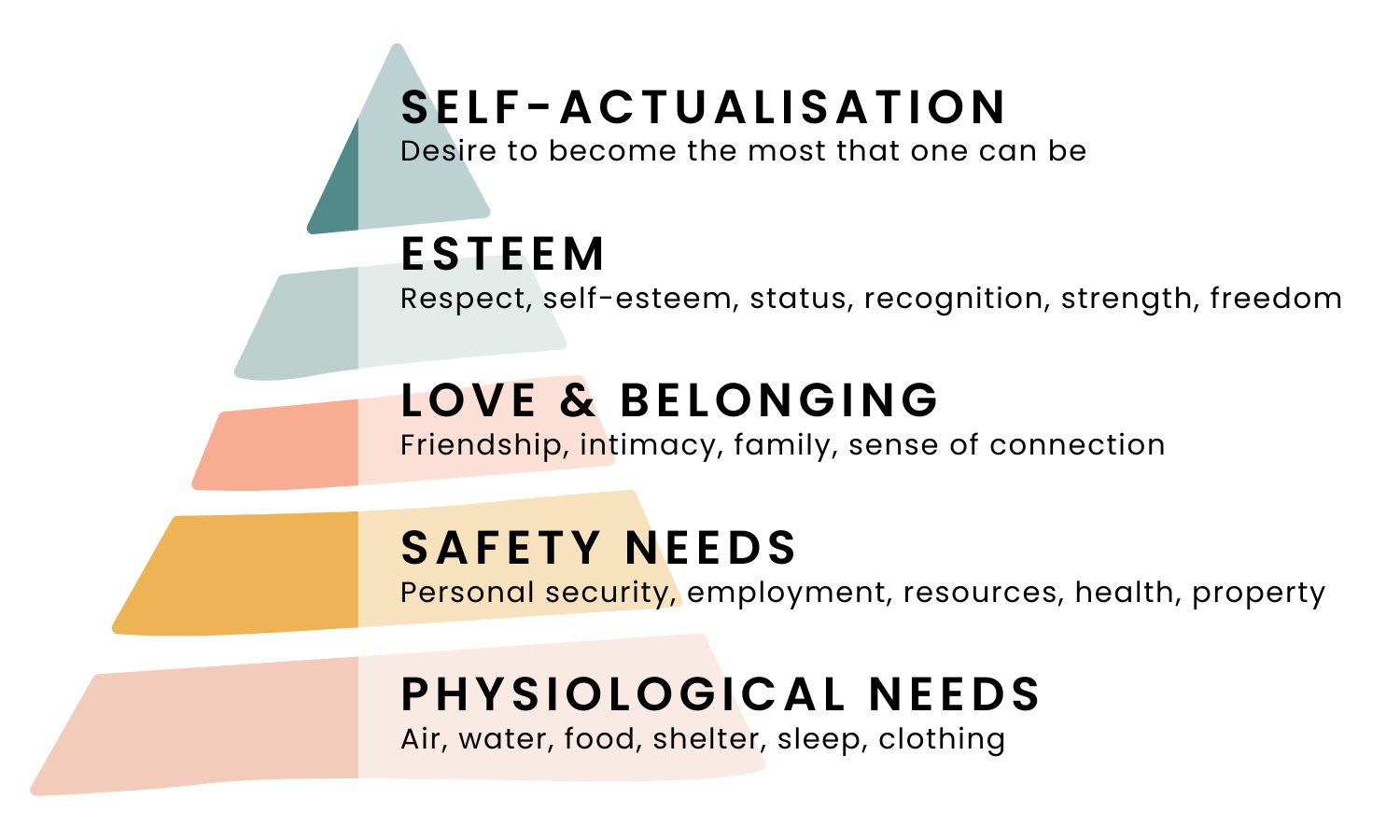
Maslow’s Hierarchy of Needs
If we look at the bottom of Maslow’s hierarchy, there is no point in trying to "fix" higher-level factors if basic physiological and safety needs are unmet. While caregivers are largely responsible for meeting their children’s physiological needs, the next tier - Safety and Belonging – is where educators step in to support these needs within the school setting. If a child doesn’t feel safe in their classroom, their brain stays in "survival mode."
In survival mode, no effective learning can happen.
A Proactive Solution
The solution isn't to push harder; it’s to lean in and listen. We recommend using the Collaborative & Proactive Solutions (CPS) model by Dr. Ross Greene.
The philosophy is simple:
"Kids do well if they can."
If they aren’t doing well, there is an unsolved problem (an expectation that they don’t yet have the skills to meet) - whether it’s packing what they need for school, coping with unpredictability, or sensory overwhelm.
Advocating for Your Child
It is okay to stop and ask: “What is my priority right now?” Is it a specific grade, or is it my child’s mental health? You are your child’s best advocate. You can understand the school’s perspective while still setting boundaries that protect your child’s nervous system.
If you aren't sure where to start, focus on these four pillars for modifications:
Environmental: Lighting, noise reduction, or movement breaks.
Scaffolded Learning: Visuals, tech, and resources tailored to their cognitive style.
Flexible Goals: Focusing on connection and safety over strict curriculum.
Relational Focus: Identifying a "safe person" the child can turn to.
As I remind parents of my clients, strategies shouldn't be "set and forget." We recommend a formal review every term to ensure the whole team is ready to pivot if something isn't working.
