

Resources
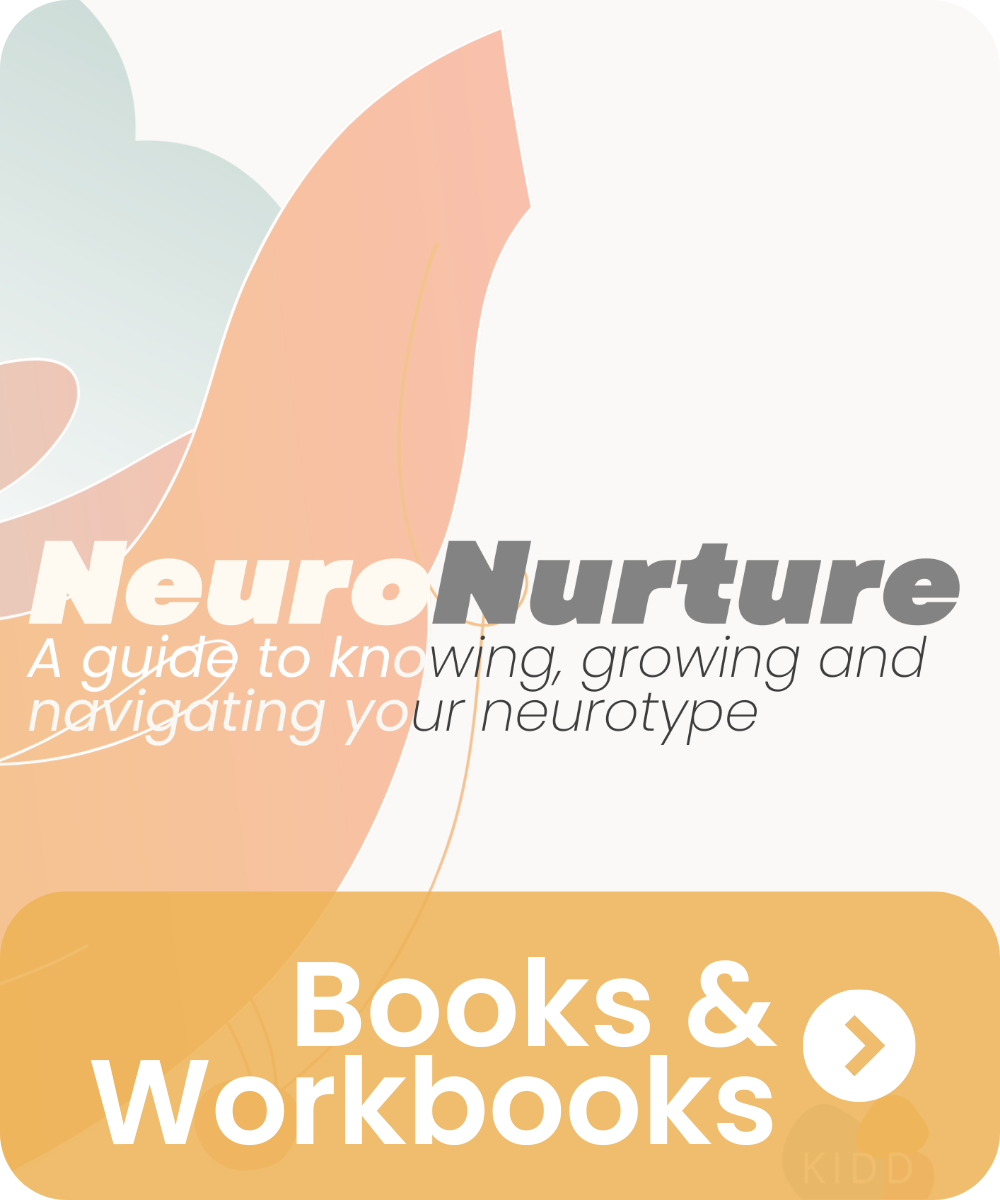

This workbook was originally created for our Autistic and ADHDer women’s retreat of the same title. Since then, it has become a valued resource within our clinical practice, supporting both neurodivergent individuals and clinicians who work alongside them. It has been thoughtfully adapted into this self-paced, guided reflection and capacity-building tool, designed to facilitate insight, connection, and growth.
Our hope is that it offers neurodivergent individuals the space to reflect, reconnect, and recharge, while supporting a deeper connection to their authentic selves. For clinicians, it can serve as a therapeutic companion, offering structured prompts and frameworks to use in sessions, or as a reflective resource to inform neuroaffirming practice.
As you move through these pages, you’ll be gently guided to explore identity, energy, burnout, and balance in everyday life. We invite you to engage in whatever way feels right - independently, alongside a support person, or within a therapeutic space.
However you use it, we encourage you to revisit, add to, or adapt your reflections over time. Our needs and understandings evolve, and this workbook is designed to grow with you. To support that, we’ve included a list of additional resources to continue your identity and wellbeing journey.
Featured Product
The NeuroNurture Workbook
-
This workbook was originally created for our Autistic and ADHDer women’s retreat of the same title. Since then, it has found a home in many of our clinicians’ therapeutic work and has been thoughtfully adapted into this self-paced, guided reflection and capacity building tool. Our hope is that it offers more neurodivergent individuals the space to reflect, reconnect, and recharge—while supporting a deeper connection to your authentic self.
As you move through these pages, you’ll be gently guided to explore your identity and consider ways to create more balance in your day-to-day life. We invite you to engage in whatever way feels right for you. It might serve as a space to consolidate growth, or as a guide for reflection—either independently or alongside a support person or professional.
However you use it, we encourage you to revisit, add to, or edit your reflections over time. Our needs and understandings shift, and this workbook is designed to evolve with you. To support that, we’ve included a list of additional resources to continue your identity journey.

Helping Autistic Teens to Manage their Anxiety
Strategies and Worksheets using CBT, DBT, and ACT Skills
Written by Dr Theresa Kidd.
Drawing on the author's extensive clinical and research experience, this book presents practical strategies purposefully developed for parents, therapists and teachers working with autistic adolescents experiencing anxiety. In addition, it features chapters dedicated to assisting parents in supporting their anxious child. The book outlines the co-occurrence of anxiety and autism, highlights specific anxiety risks and triggers, and presents practical solutions for overcoming barriers to therapeutic engagement. A collection of CBT, ACT and DBT-informed practical worksheets are included, making this book ideal for use at home, at school or in OT, Psychology and Speech sessions.
Articles

What Is Masking?
“Have you ever wondered how your child can seem “fine” on the outside, but you have a feeling they’re working way harder than anyone realizes? Maybe they follow the rules, keep it together at school, and don’t draw much attention — but something still feels off. They come home exhausted, or you notice they’re constantly trying to figure out what to say, how to act, or how to fit in. For many neurodivergent kids, that experience is called masking.”

What Is After-School Restraint Collapse?
“Have you ever walked out of an IEP or a parent-teacher conference like you and the school are talking about two completely different kids? Maybe at school, your child seems to be doing fine, following directions, keeping it together, and not drawing much attention. At home, it’s a different story. They come through the door overwhelmed, melting down, or completely shutting down. If that sounds familiar, you may be seeing the effects of masking, sometimes called after-school restraint collapse (ASRC).”

School Supports for High-Masking Children
“If you’ve ever heard a teacher say, “We’re not seeing that at school,” you might already be seeing masking in action. Sometimes, the kids who seem “fine” at school are actually working the hardest just to get through the day. They’re holding it together, following expectations, and blending in — but underneath that, they may be overwhelmed, exhausted, or struggling in ways that aren’t obvious in the classroom. That can make it harder to get the right supports in place because if a child doesn’t “look” like they’re struggling, their needs can be missed.”
Podcasts

Speak Up: Pathological Demand Avoidance (S6E20)
“PDA is an Autistic profile that is relatively newly described, Theresa and Miriam speak about how to identify individual with this profile and how to support them in a neurodiversity affirming and trauma informed way.”

Square Peg Round Whole: PDA and CPS with Dr Theresa Kidd and Dr Miriam Kirby
“In this episode Lou discussed PDA (Pathological Demand Avoidance) with Dr Theresa Kidd and Dr Miriam Kirby. What is PDA? Is it a real diagnosis? Comparing PDA to ODD. Helping families to access the right support if they suspect PDA in their child or have had a recent diagnosis.”

Clinic Mastery: The Impact of Culture and Mentors on Clinic Growth – A Clinic Owner Story (Episode 253)
“In this episode, Dr. Theresa Kidd and Karl Smith from The Kidd Clinic share the insights and lessons they’ve learned on how they’ve grown practice and how team culture and having a mentor has helped them through their journey. They also talk about the role of branding in attracting the right types of people to your clinic and the routines and habits that keep them together as a team.”