

Autism and Screen Time
As the world becomes increasingly shaped by digital technology, the topic of screen time and its impact on Autistic individuals, including those with a Pathological Demand Avoidant (PDA) profile, has become a largely discussed topic.
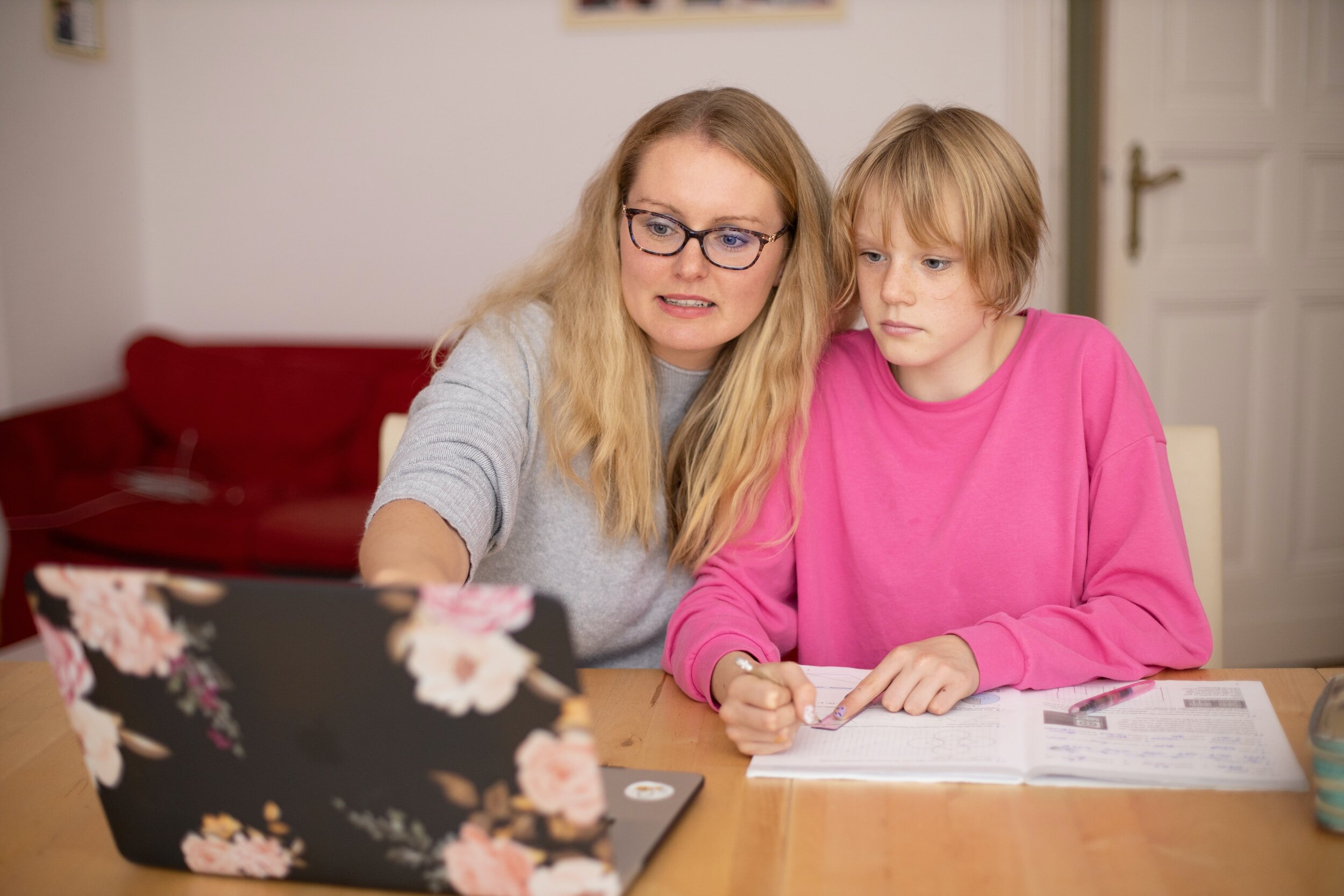
Parenting Your Autistic Child
Parenting an Autistic child can take more thought and resources than parenting a non-Autistic child with research showing significant parenting stress levels for parents of Autistic children. These parents may experience a myriad of feelings including worry or guilt, as well as hope and fear about their child’s future. In addition, numerous expectations and unspoken societal pressures can be felt more strongly for parents of Autistic and neurodivergent children.

Inclusion Starts With Knowledge: A Path to Increasing Inclusivity for Neurodivergent Individuals
Imagine the power of the greater community comprehending the struggles and triumphs of someone with ADHD, sensory sensitivities, or complex trauma. When we seek out knowledge of others' experiences, we gain insight into the challenges and strengths of those individuals.

Supporting Neurodivergent (including PDA) Children on an Overseas Holiday
Taking a trip overseas, whether it be to a new or familiar place, may come with numerous challenges and high levels of uncertainty. The thought of an overseas trip or a family holiday can be daunting even for those of us who are well accustomed to travel.
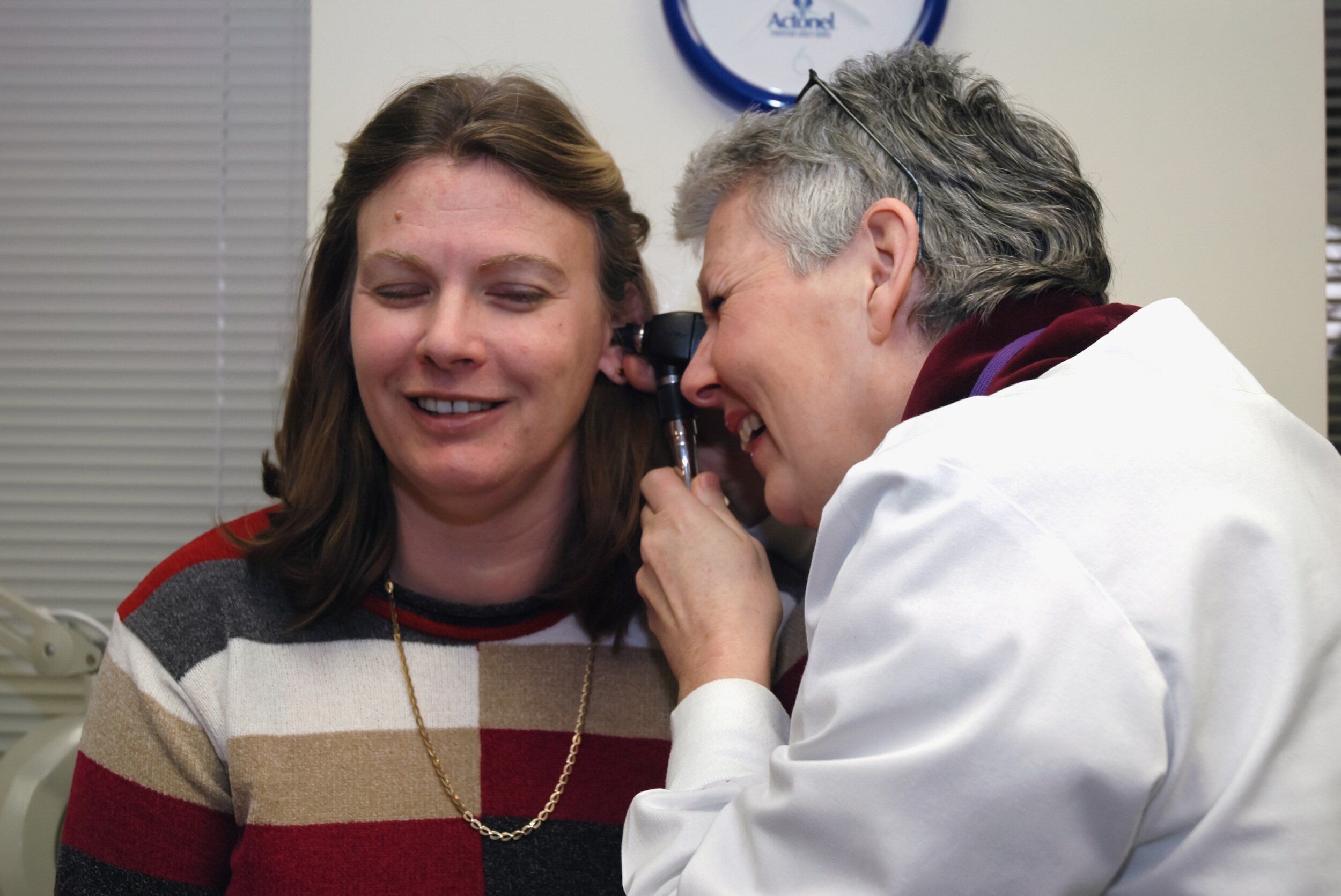
Supporting the Needs of Autistic People in Healthcare Settings
Studies show that Autistic people have a reduced life expectancy and poor physical and mental health outcomes. There are likely many Autistic people accessing mental and physical healthcare services that are not receiving services that best support their individual needs, as well as those who are who have not disclosed, are yet to be formally identified or have been misdiagnosed with other mental health conditions.

ADHD In Women
While traditionally associated with boys and men, ADHD in women often presents itself differently, making it more challenging to recognise and diagnose. Until recently, most studies have focused on boys and as a result more is known about how males experience ADHD.

The Power of Double Empathy: Understanding and Connecting Beyond Differences
In a world marked by diverse backgrounds, experiences, and communication styles, it is crucial that we embrace empathy as a two-way street. The Double Empathy Problem is a concept in psychology that challenges the traditional assumptions about empathy deficits in Autistic individuals.

Acceptance and Commitment Therapy
When the opportunity to attend in person training with Dr Russ Harris (in Perth!) arose I was excited and took it. Dr Russ Harris authors several books you may recognise – The Happiness Trap, The Reality Slap, The Confidence Gap to name a few.

What Happens in an Art Therapy Session?
The art therapist might make a mental note of recurring patterns in an artwork or if a particular art medium is favoured, but their priority is to help the client who has created the artwork to work out their own interpretation and what that means for them.

Flourishing - A Positive Psychology Concept to Increase Wellbeing
Flourishing is known as one of the most important concepts to come out of positive psychology and has can provide significant direction for how we live, love and relate to each other.

Autistic Inertia
You may have heard of the word ‘inertia’ before but may not have heard it used in reference to Autism. ‘Inertia’ is the term used for Newton’s first law of motion: that every object will stay at rest or in uniform motion unless influenced to change by the action of an outside force.


The Benefits of Parent Sessions
Young people may benefit from some involvement from their caregivers in implementing therapeutic goals and making environmental changes to match their needs. Research has found that psychological outcomes are better for neurodivergent children and adolescents when parents are involved. At The Kidd Clinic, we often recommend parent sessions in addition to, or instead of, sessions for our young people.

Eye Movement Desensitisation Reprocessing (EMDR) at The Kidd Clinic
EMDR is a psychotherapy treatment that helps to reduce distressing emotions and sensations associated with traumatic or upsetting memories. It isn’t just for those who have experienced trauma, but can also be used to help treat depression, phobias, OCD, and more.

What Is Horticultural Therapy?
Have you heard of horticultural therapy? It’s a therapeutic modality that has gained traction over the past few years, but what does it really involve and how can it be of benefit?



After School Restraint Collapse
The build up of stress chemicals throughout the day (whether it be school, university or work), along with masking to fit in and appear 'non-autistic,' can often result in a spillover of energy and emotions upon arriving home. This is referred to as After School Restraint Collapse (Nair, 2017).

Tips for Working Successfully with Autistic Students
At The Kidd Clinic, we find a lot of Autistic students are working ten times as hard to keep up at school. This can lead to Autistic burnout. Autistic burnout can be understood as physical, mental, and emotional exhaustion an Autistic individual may experience from trying to navigate a world that is designed for neurotypical people.