

2025 Free Resources
January Resource
-
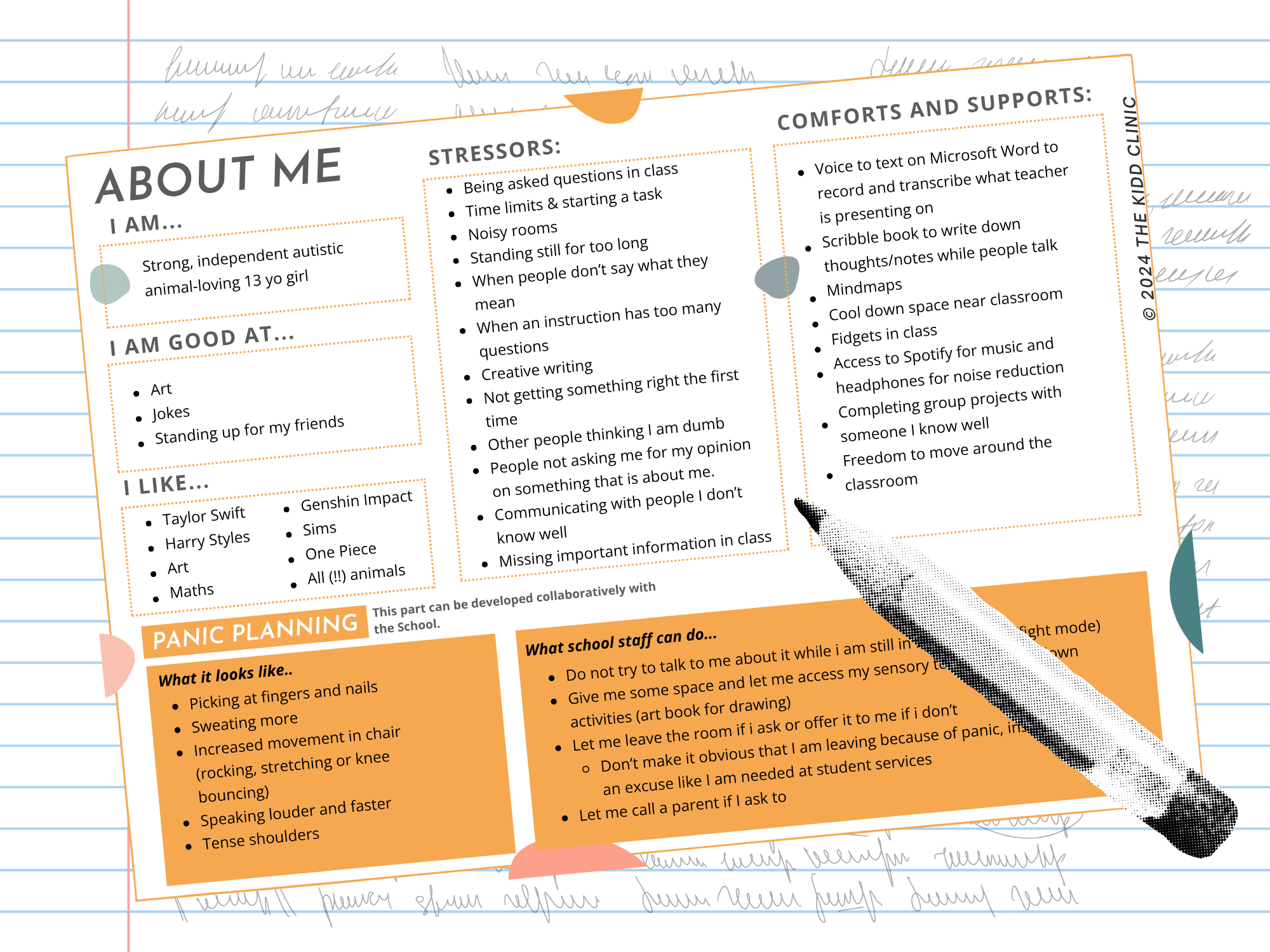
The About Me profile is a simple yet powerful tool designed to support the self-advocacy of neurodivergent students in schools.
It empowers students to share key information about themselves directly with their school community, fostering understanding and collaboration.
The profile includes a panic plan, which outlines clear steps for supporting the student during moments of overwhelm, panic, or distress.
By having this plan in place, everyone involved is better equipped to respond in a way that prioritises the student’s sense of safety and certainty. This approach helps create a more supportive and inclusive environment.
February Resource
-
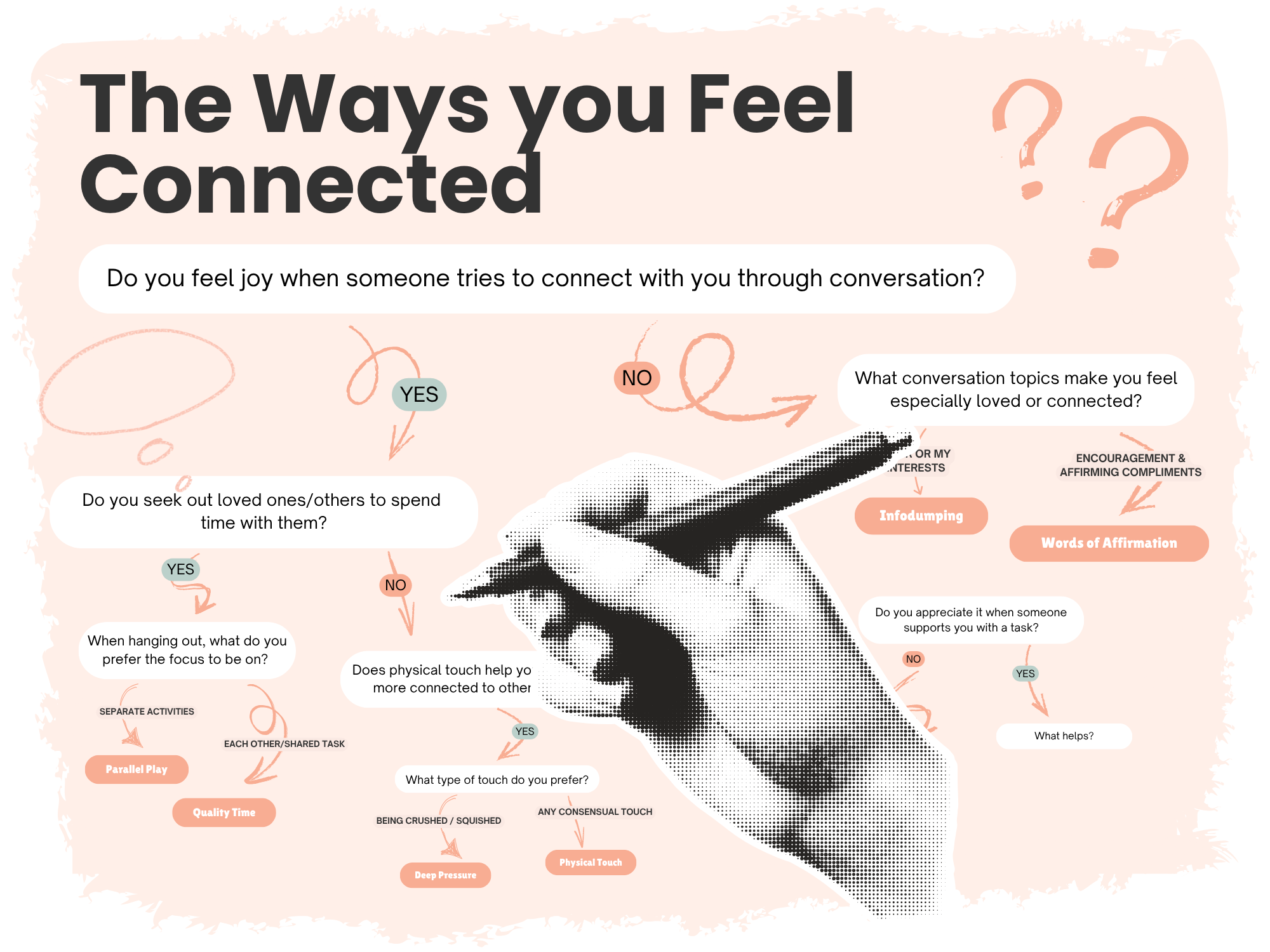
This is an activity designed to help you work out the different ways you feel loved and/or connected to the people in your life
This quiz can be a fun way to explore how you feel most connected. It also highlights that love and connection are beautifully complex! Your preferences may shift over time, and we each prefer a variety of ways to feel close. This is just a starting point, not a fixed label—because the ways we love (and feel loved) are continually evolving!
We each have dynamic profiles - meaning that in one situation something may feel ok but in another may not. It is helpful to understand these nuances and then be able to advocate for our connection needs and build relationships that serve rather than overwhelm us.
March Resource
-
Everyone’s brain is wired differently, shaping how we experience and interact with the world. While individuals within the same neurotype may share some traits, there’s still a wide range of personal variation. This means that no single support strategy works for everyone.
This resource is designed to help you explore how your brain works, how you think, sense, connect, and communicate. Everyone’s neurotype is unique, and understanding these differences can help you identify your personal strengths, challenges, and support needs.
You can use this tool for self-reflection, to share insights with others, or to guide supportive practices at home, school, or work. Start by reading through the key terms to build a shared language around neurodiversity. Then, move through the reflection questions in each domain: Thinking, Sensing, Connecting, and Communicating.
There are no right or wrong answers; this is simply a way to better understand yourself (or someone you support) and to recognise that every brain’s way of being is valid and valuable.
April Resource
-
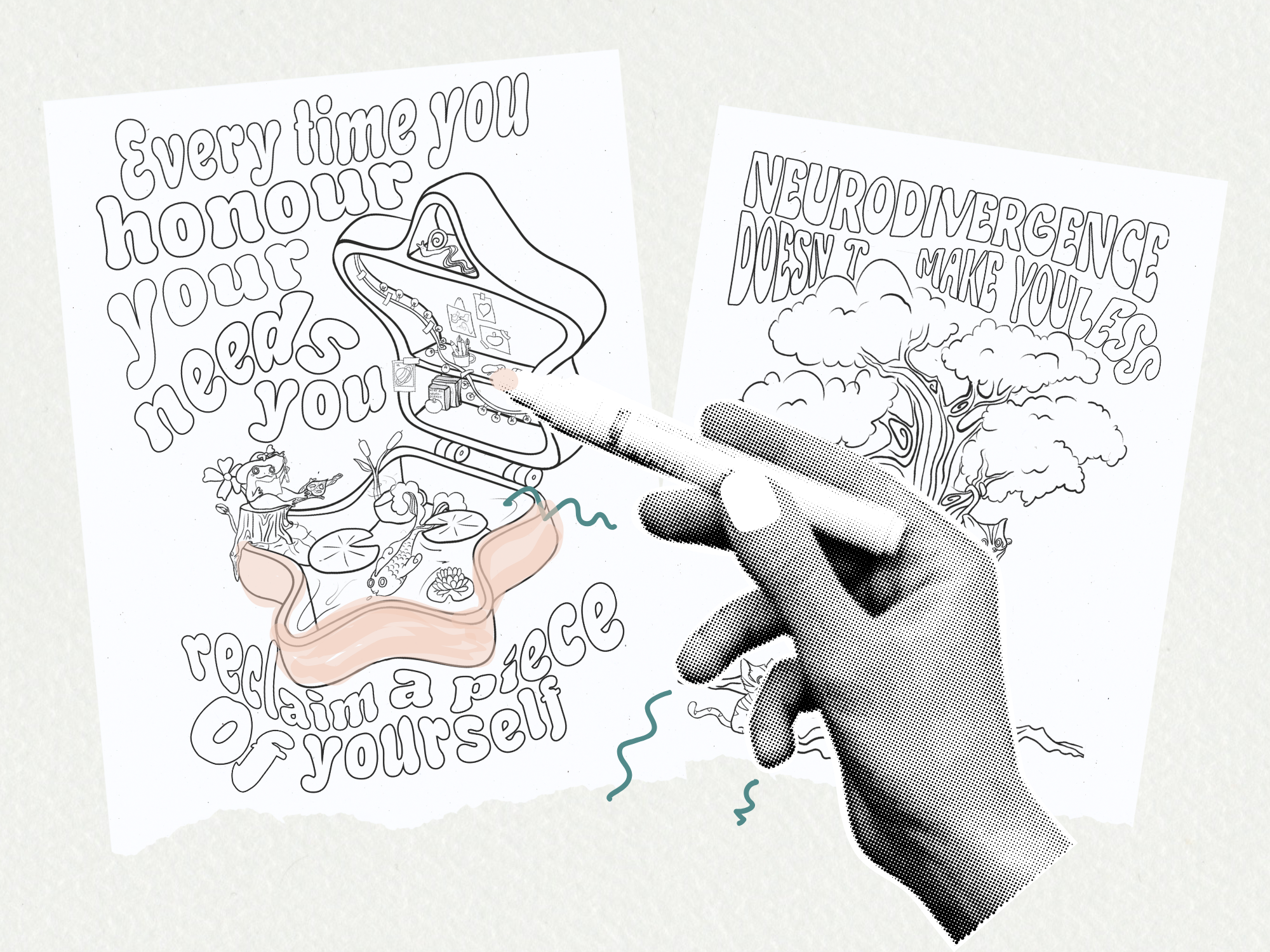
Taking time for self-care is essential for maintaining good mental health. Simple practices, like these colouring sheets, can support overall wellbeing. Prioritising self-care isn’t selfish, it’s a vital step toward sustaining both mental and emotional health.
Colouring can be a simple yet powerful way to practice self-care and mindfulness. Taking time to focus on colours, patterns, and gentle, repetitive movements helps calm the mind, reduce stress, and bring awareness to the present moment. It allows you to pause, breathe, and reconnect with yourself, offering a creative space to relax, express emotion, and recharge both mentally and emotionally.
May Resource
-
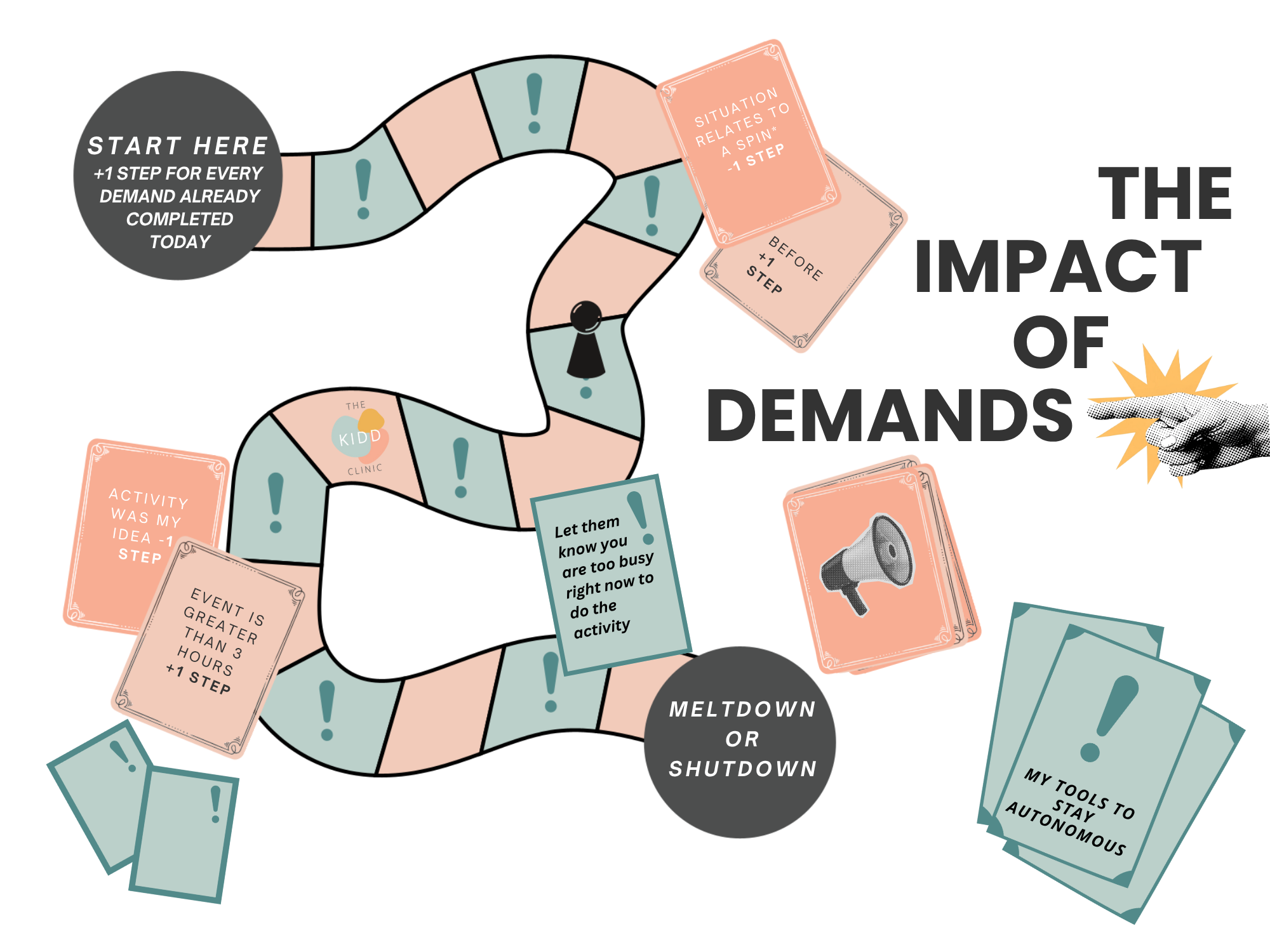
Individuals with a PDA profile often experience intense anxiety and heightened sensitivity to demands; even those involving preferred activities or essential self-care.
In this document we briefly cover different types of demands (direct, indirect, internal) and the different responses a PDAer* may have to these demands.
*PDAer refers to a person with a PDA Profile.
June Resource
-
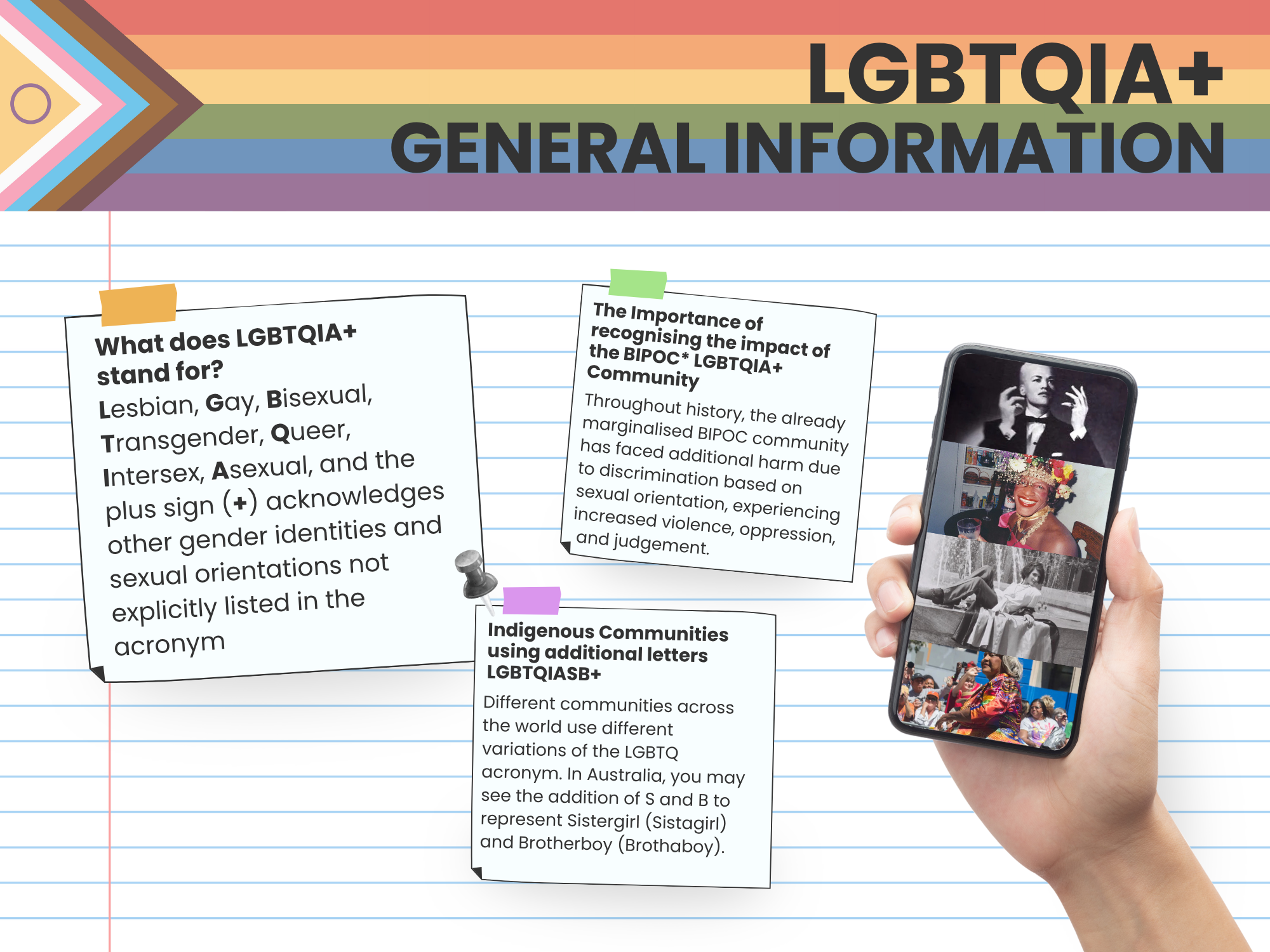
June often brings up important conversations around Pride, gender diversity, identity, sexuality, and more. If you're not familiar with LGBTQIA+ topics, it can be helpful to start with the basics.
Whether these topics are new to you or you’re looking for a simple way to deepen your understanding, this guide provides clear explanations of terms like lesbian, gay, trans, nonbinary, and asexual. It also offers respectful tips on how to use affirming language, and better support people’s identities.
July Resource
-
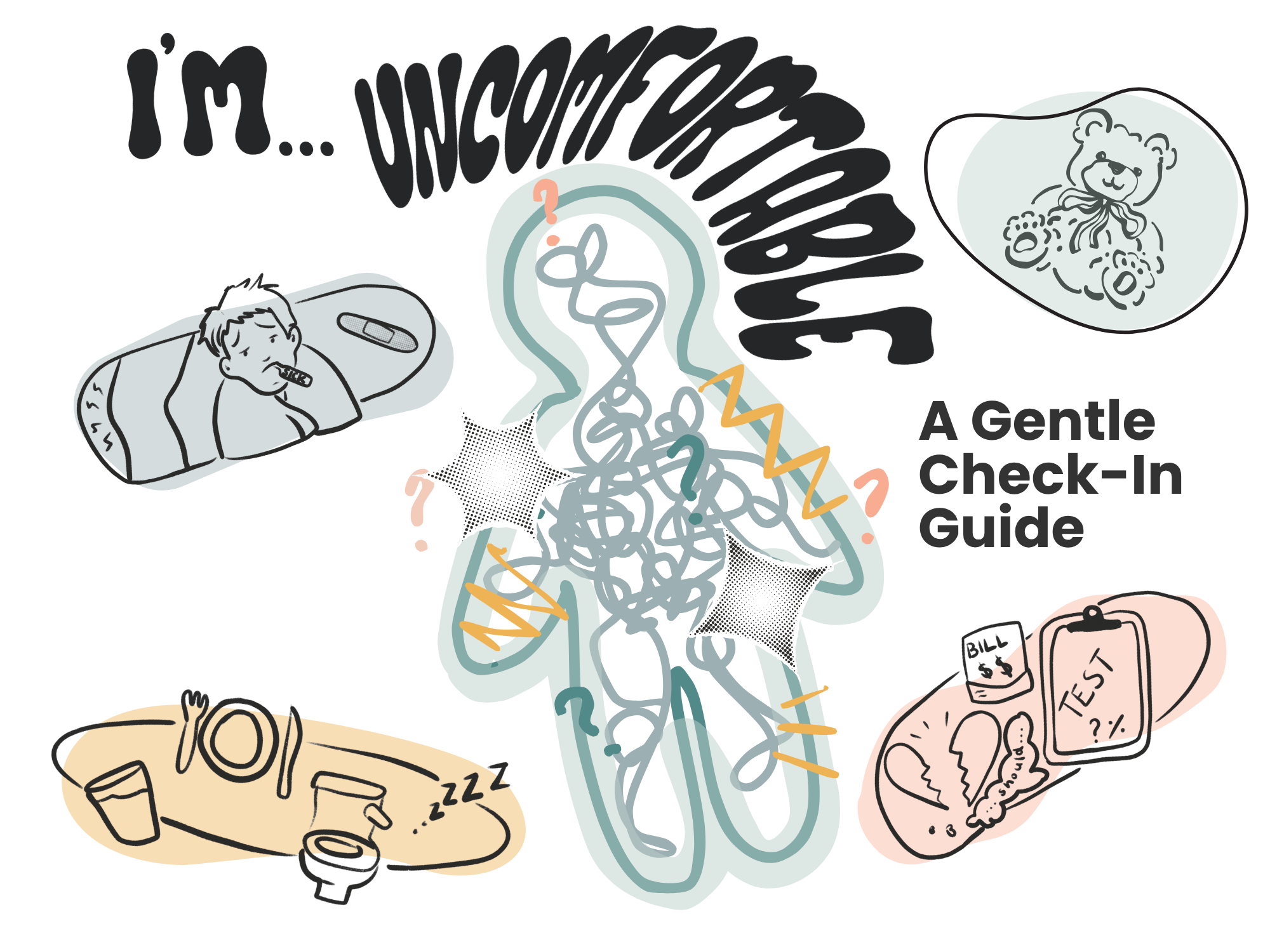
This tool is designed to help you pause and reflect when you're feeling uncomfortable, overwhelmed, or unsure what's going on inside.
It gently guides you through questions about…
what you're feeling,
what your body might need,
and what could help
This mini guide can be used whenever you’re feeling “off” for gentle reflection. You can create a pre-filled version as a reminder of what helps, or use it for fresh exploration whenever you need.
August Resource
-
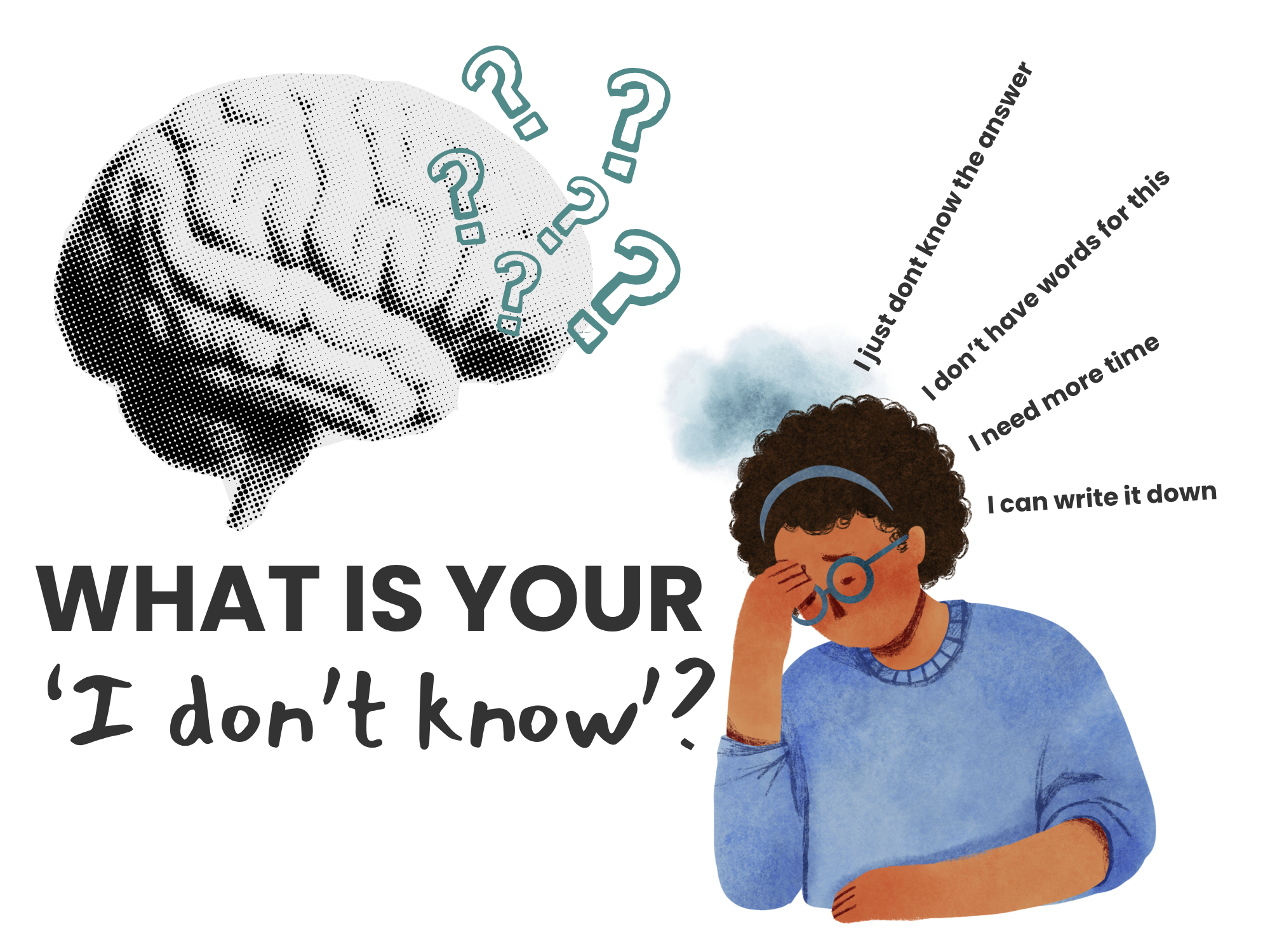
This infographic invites you to explore the many different meanings that can hide behind the phrase “I don’t know.”
It might not be about uncertainty, it could actually mean I’m not interested, I’m too tired, I don’t want to talk about it, or this is too intimidating to think about right now. For some people, it can also mean don’t rush me, I need more time, or I can’t say it out loud.
By reflecting on what your “I don’t know” really means in different situations, you can build a better understanding of your emotions, needs, and communication style. This awareness can help you express yourself more clearly and help others respond with empathy and patience.
September Resource
-
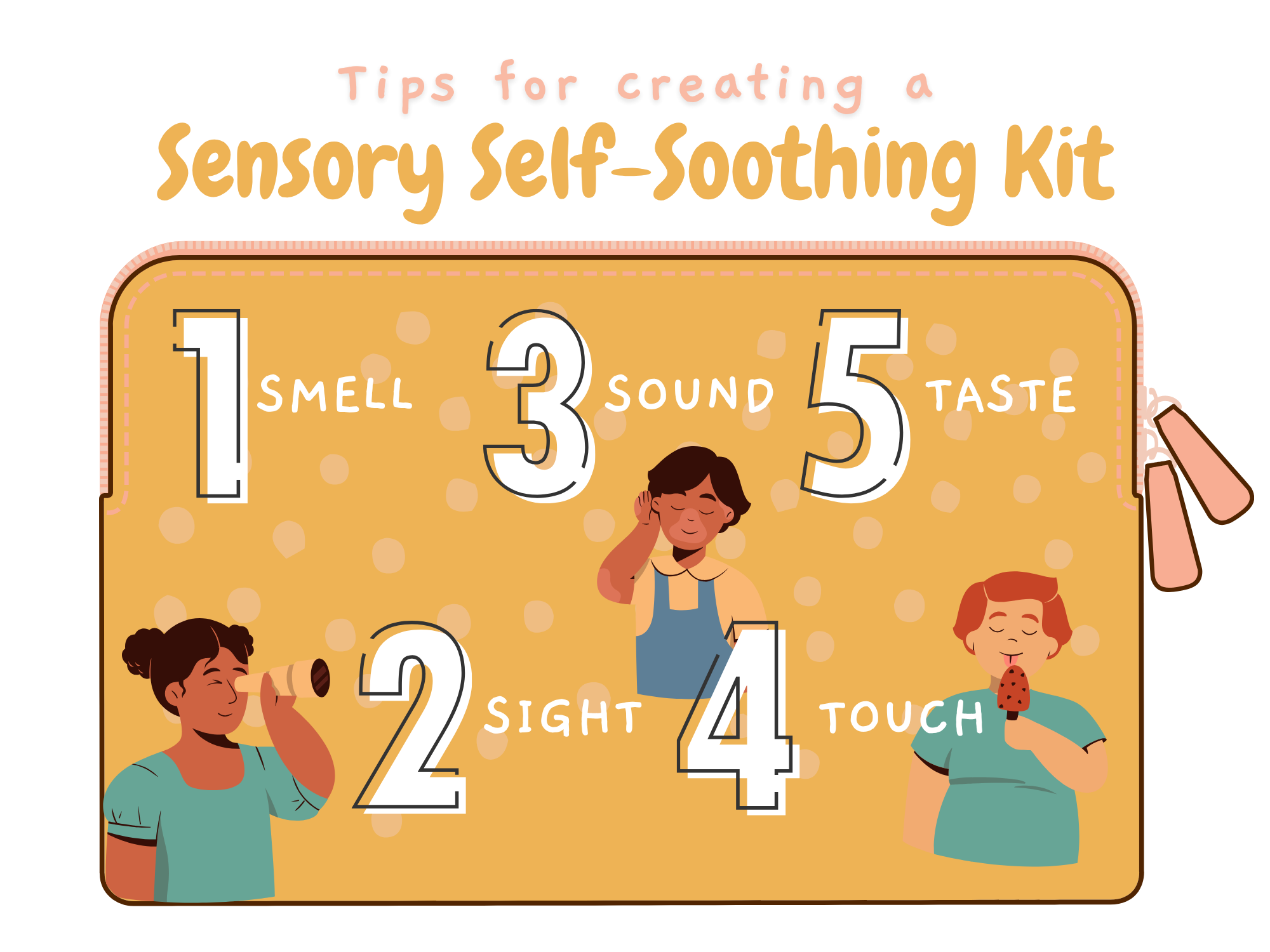
This resource introduces the concept of sensory self-soothing, a valuable distress-tolerance skill from Dialectical Behaviour Therapy (DBT).
A sensory self-soothing kit is a personalized collection of items that help calm your mind and body by engaging your five senses: smell, sight, sound, touch, and taste.
When emotions feel overwhelming, using your senses can help ground you in the present moment, reduce emotional intensity, and offer comfort through simple, familiar sensations. This guide provides practical ideas for what to include in your kit, like soothing scents, and comforting textures. Use it whenever you need to pause and reset with a sense of calm and safety.
October Resource
-
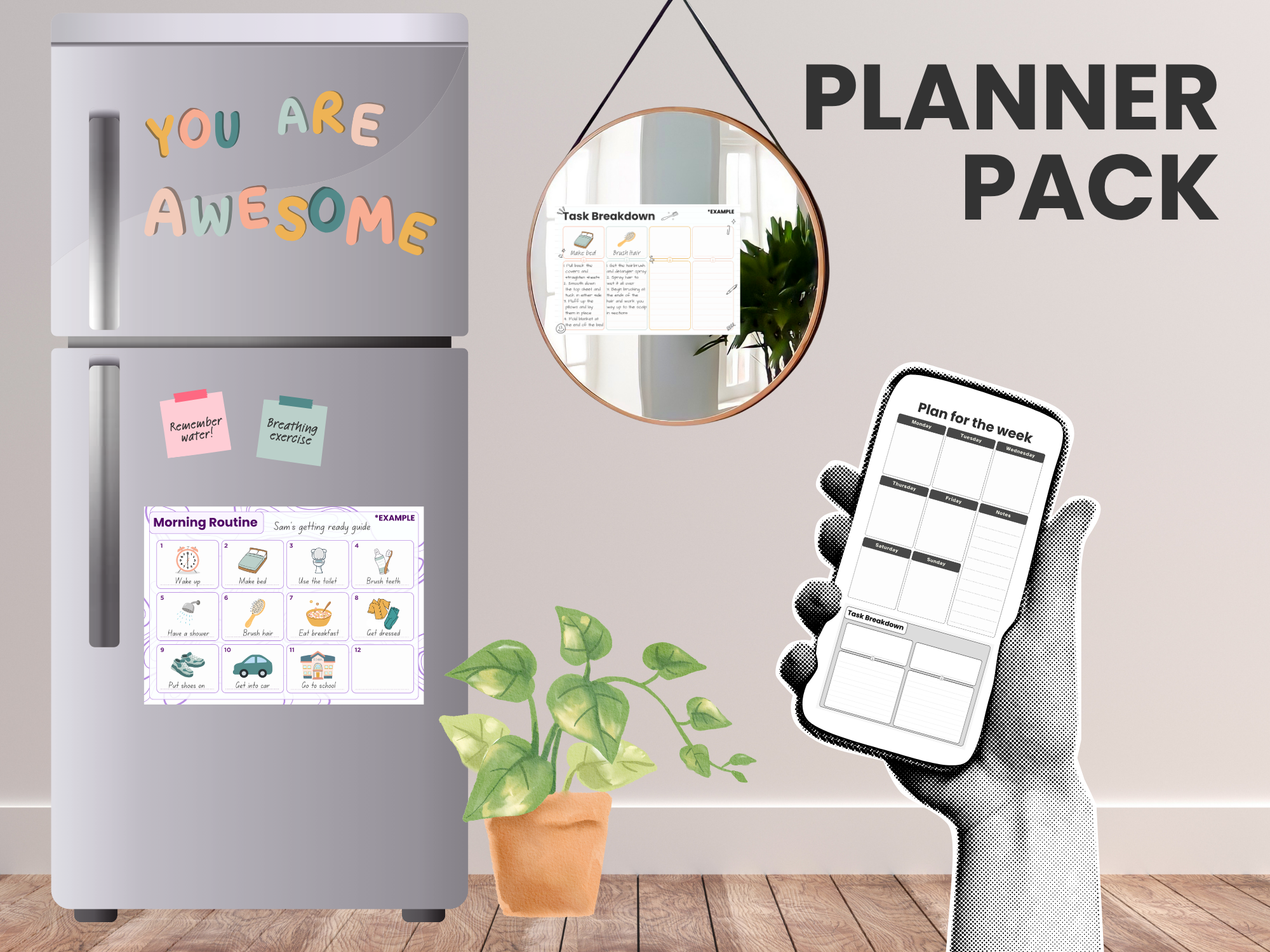
This is a resource pack to get you started with finding more accessible visual systems to support you in maintaining your routines. Developing visual cues can help your mind to stay on goal, and clear about what to do next without navigating decisions in the moment.
You may like to utilise a brief list of prompts and reminders, or you might find it more helpful to have the tasks broken down into smaller chunks! You don’t have to follow any rules, you get to decide what works best for you!
We have included some PDFs and PNGs, you can use these templates, print them, or digitally edit them. We have also provided all of these sheets as a Canva document so you can get as creative as you like!
The system or routine you initially set up may not be the one that you keep ongoing, it’s ok to try different things out!! Even once everything is glued down, you aren’t ‘stuck’ to those choices! You can trial different layouts, schedules, cues and plans to see what suits you best. There are also ways that you can make these resources a little more adaptable, and tailored to better suit your own needs, your family’s needs, or the needs of those you care for. Adaptable use allows for choice and control and flexibility - which is so important!
November Resource
-
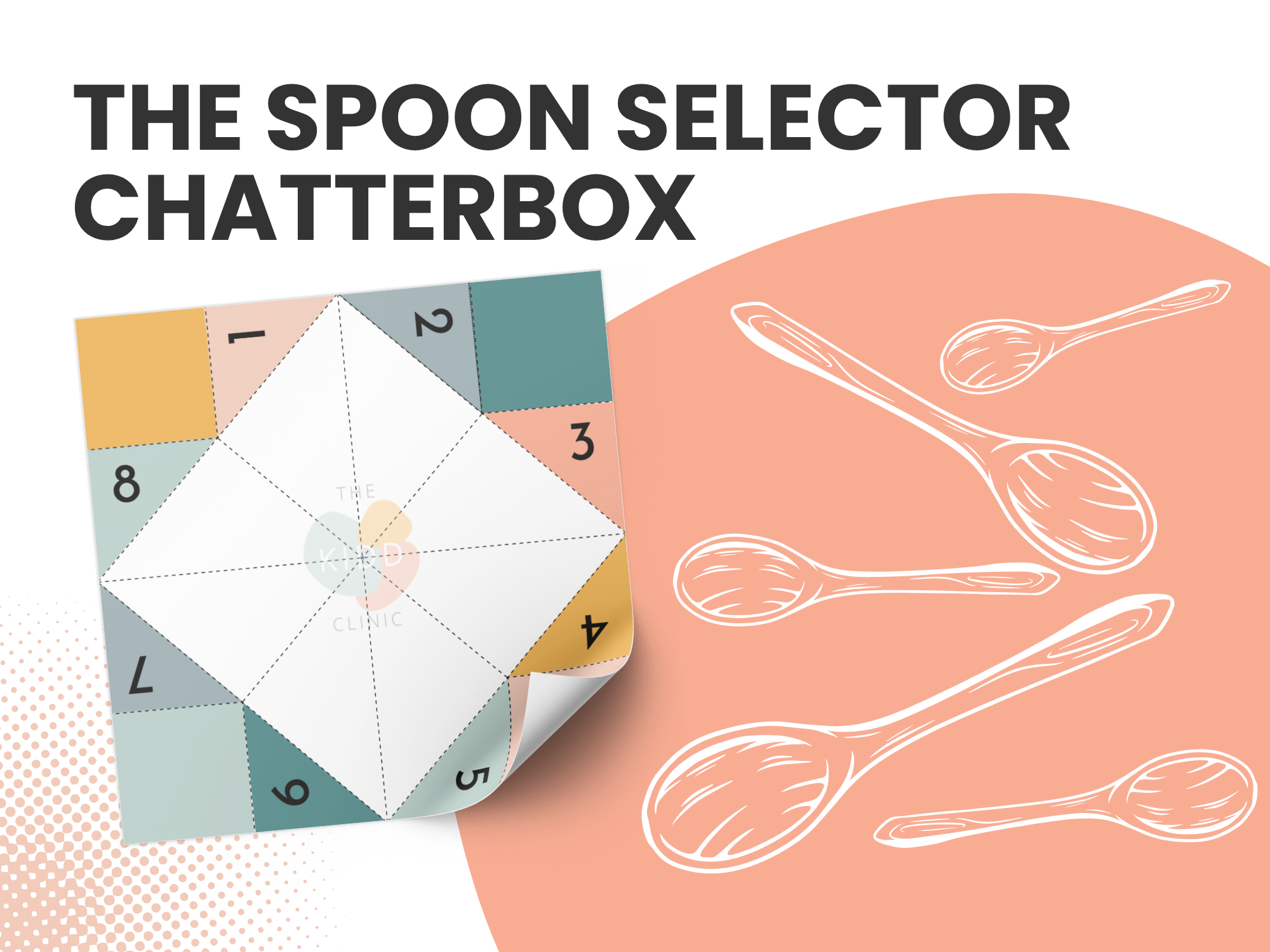
When we are low in spoons it can be hard for us to figure out what will give us some energy back. Fill out the chatterbox so that when you feel like you need more spoons but don't have the capacity to decide what to do you can use the chatterbox as a randomiser.
December Resources
-
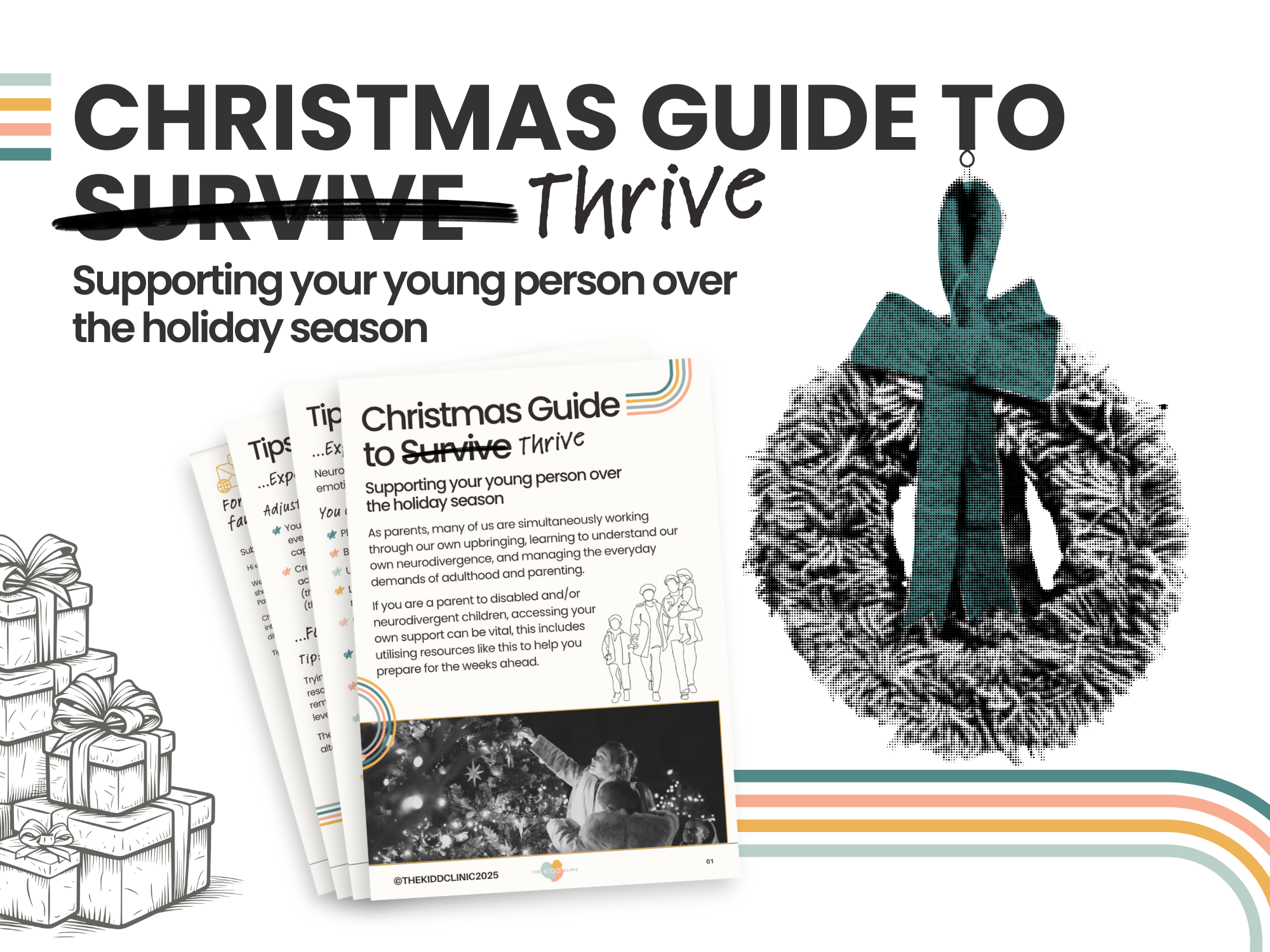
Christmas Guide to Thrive is a free, practical resource designed by The Kidd Clinic to support parents of neurodivergent young people through the holiday season.
It offers compassionate, realistic strategies to reduce pressure, manage sensory and social demands, support regulation, and set clear boundaries with friends and family, while also reminding parents to be kind to themselves.
The guide focuses on flexibility, connection, and wellbeing over perfection, helping families create a calmer, more supportive Christmas that works for their needs.
-
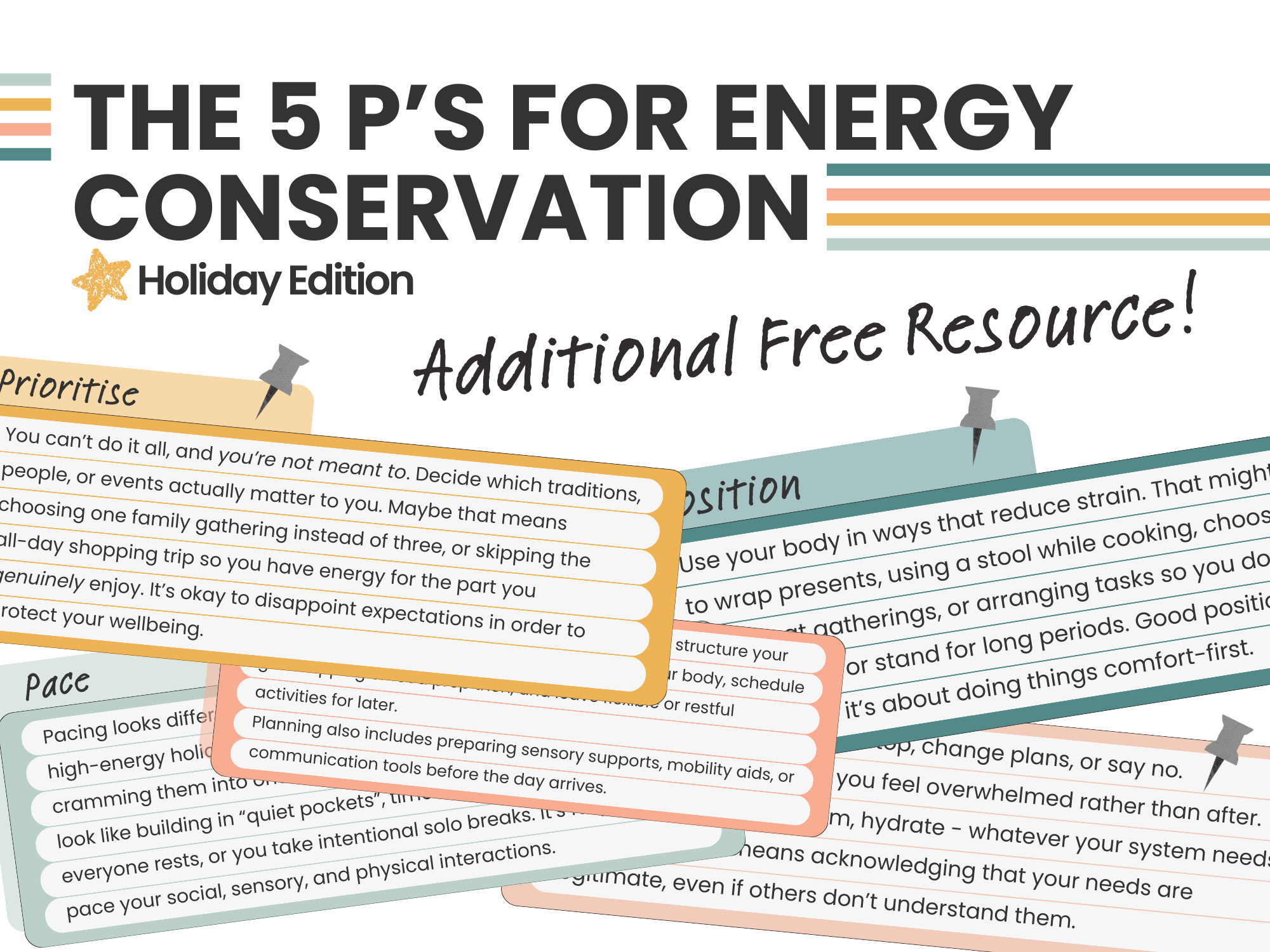
This free resource introduces the 5 P’s:
Prioritising
Planning
Pacing
Positioning, and
Pausing
This is a practical and compassionate framework commonly used by Occupational Therapists and other allied health professionals to support energy management and wellbeing.
Designed with neurodivergent, disabled, and chronically ill people in mind, it offers permission-based strategies for navigating busy periods (like holidays or events) without burning out.
Choose what truly matters, plan around your energy levels, reduce physical strain, build in rest, and honour your needs, even when that means disappointing expectations.
A supportive reminder that you don’t have to do everything to do what matters.